 English
 русский
Sep 28,2026
Content
Is Airbrushing Damaging to Nails?
No, airbrushing itself is not inherently damaging to nails when done correctly. Unlike acrylic or gel systems that require filing down the natural nail plate or curing under UV light, airbrush nail art applies a fine, misted layer of polish or pigment directly onto the nail surface using air pressure. This method does not involve harsh chemical bonding agents, aggressive buffing, or soaking in acetone for removal, which are the primary causes of nail damage in other nail art techniques.
The potential for damage comes not from the airbrushing process itself, but from improper preparation, low-quality products, or excessive removal techniques applied afterward. When paired with a well-maintained nail airbrush kit and proper nail care habits, airbrushing is widely regarded by nail technicians as one of the gentler nail art methods available.
How Airbrush Nail Art Actually Works
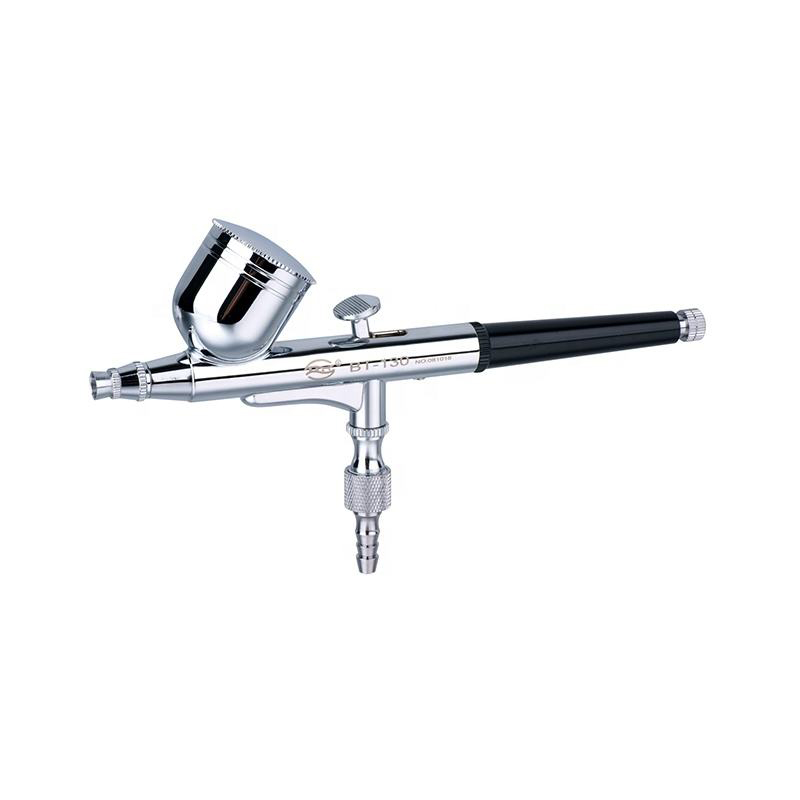
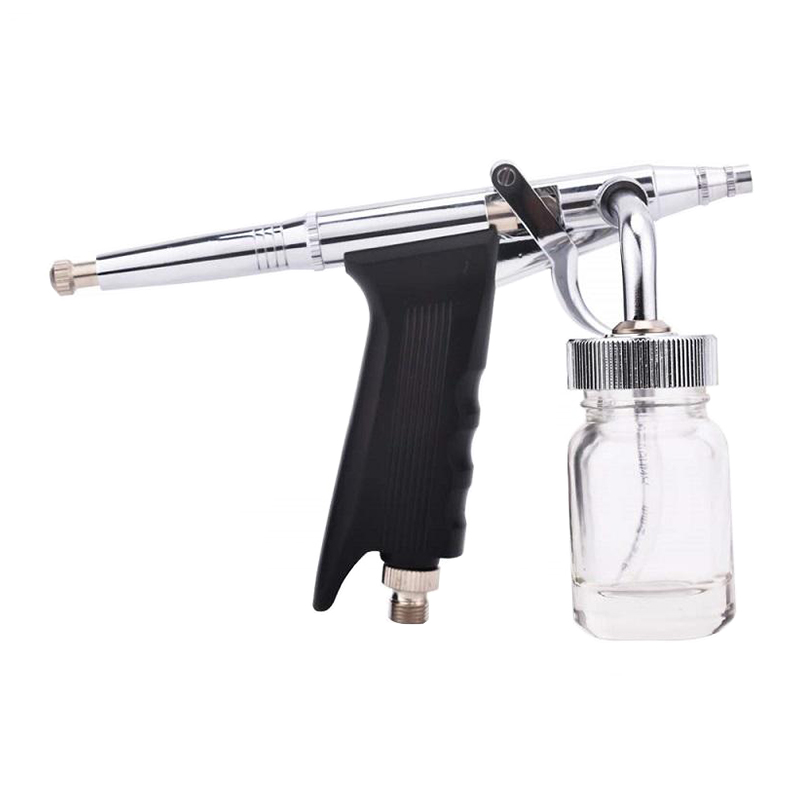
An airbrush nail system uses a small compressor connected to an airbrush gun that atomizes polish into a fine spray. This spray is applied in thin, even layers directly onto the nail or through stencils to create intricate designs. Because the polish is misted rather than brushed on thickly, it dries faster and creates a lighter, more flexible finish compared to traditional polish application.
Key Components of the Process
- Mini air compressor to generate consistent air pressure
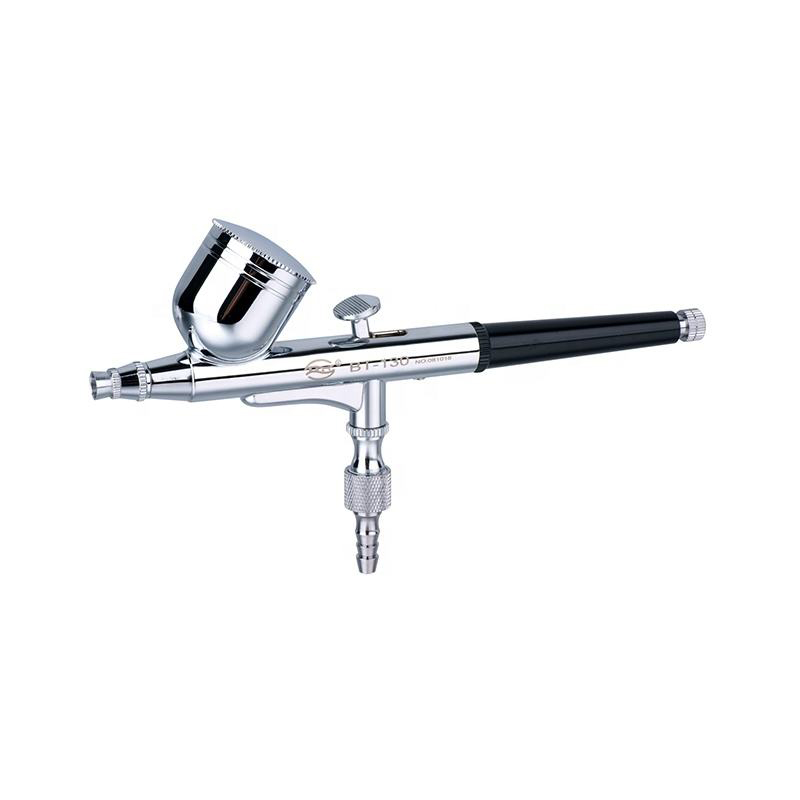
- Airbrush gun with adjustable nozzle for fine or broad spray patterns
- Water-based or solvent-based airbrush polish formulated for nails
- Stencils or freehand technique for custom designs
Because the polish layer applied through airbrushing is significantly thinner than brush-applied polish, there is less product buildup on the nail, which many technicians note reduces the strain placed on the nail plate over repeated applications.
Airbrushing vs Other Nail Art Methods
To understand why airbrushing is considered a lower-impact option, it helps to compare it against more traditional nail enhancement techniques commonly used in salons.
| Method | Nail Prep Required | Removal Process |
|---|---|---|
| Airbrush Nail Art | Minimal buffing | Standard polish remover |
| Acrylic Extensions | Heavy filing | Acetone soak and filing |
| Gel Polish | Light buffing | Acetone soak |
| Regular Polish | None | Standard polish remover |
When Airbrushing Can Cause Problems
While the technique itself is gentle, certain practices around airbrushing can introduce risk to nail health. Being aware of these factors helps users avoid unnecessary damage.
Common Risk Factors
- Over-buffing the nail surface before application to improve polish adhesion
- Using low-quality airbrush polish with harsh solvents that dry out the nail plate
- Applying excessive layers that create a heavy, brittle top coat
- Aggressive scraping or peeling during removal instead of proper soaking
- Skipping a base coat, which allows pigment to stain the natural nail
Nail technicians commonly note that nail staining and dehydration are the most frequently reported issues linked to airbrush art, and both are typically caused by product choice and technique rather than the airbrushing method itself.
Best Practices to Protect Your Nails
Following a few simple guidelines can help ensure that airbrush nail art remains a safe and enjoyable way to create detailed designs without compromising nail strength.
Recommended Steps
- Always apply a protective base coat before spraying any pigment
- Use gentle buffing only to remove shine, not to thin the nail plate
- Choose water-based airbrush polish when possible for easier, gentler removal
- Apply thin, even coats rather than one thick layer to reduce brittleness
- Moisturize the nail plate and cuticles regularly between applications
- Allow nails a short rest period between airbrush sessions if used frequently
Following these steps consistently allows most users to enjoy airbrush designs without the nail thinning or peeling that is more commonly associated with acrylic or gel systems.
Choosing Equipment That Supports Nail Health
The quality of the equipment used plays a meaningful role in how gentle the airbrushing process is on natural nails. A well-calibrated compressor and airbrush gun allow for consistent, thin coats, reducing the need for heavy buffing or multiple reapplications.
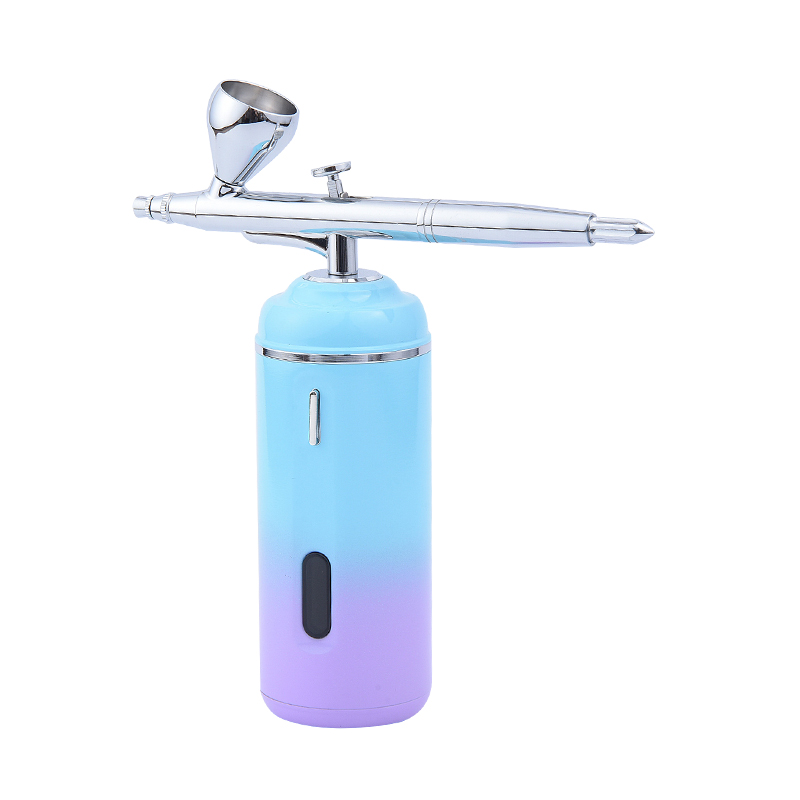
For those exploring airbrush nail art at home or in a professional setting, investing in a reliable nail airbrush kit designed specifically for nail application can make a noticeable difference in both design precision and nail health. A dedicated nail-focused airbrush kit typically offers finer control, lower air pressure settings suited to small surfaces, and compatible polish formulas that are gentler than repurposed general-purpose airbrush equipment.
Final Takeaway
Airbrushing is not inherently damaging to nails and is often considered a lighter alternative to acrylics and gels when performed with proper technique. The key to protecting nail health lies in using quality products, applying thin and even coats, avoiding aggressive removal methods, and giving nails periodic breaks between applications. With the right approach and equipment, airbrush nail art can be enjoyed regularly without compromising the strength or appearance of natural nails.