 English
 русский
Painting Plastic Models: What Actually Works
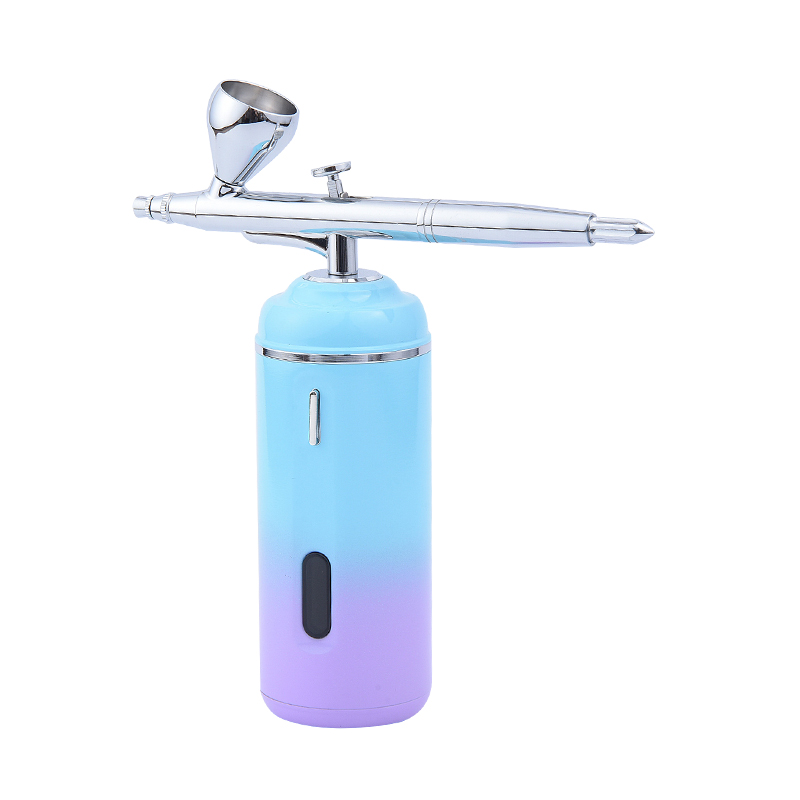
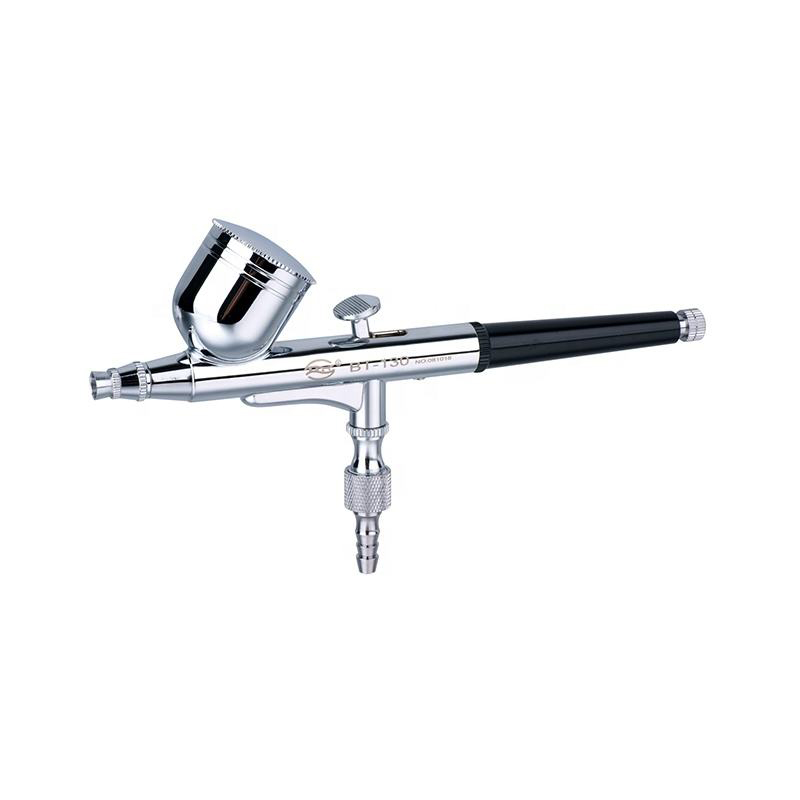
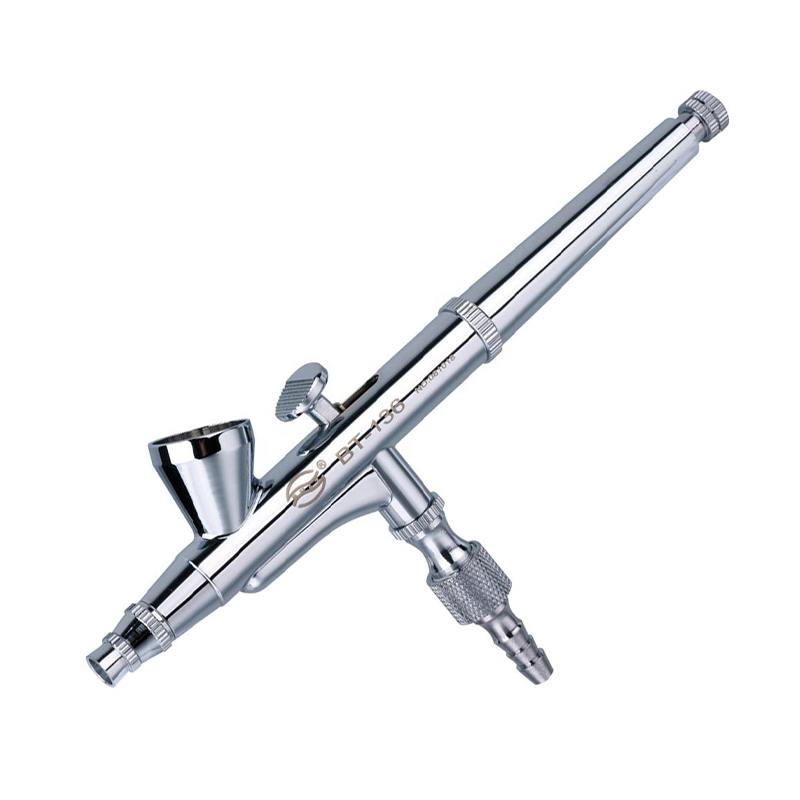
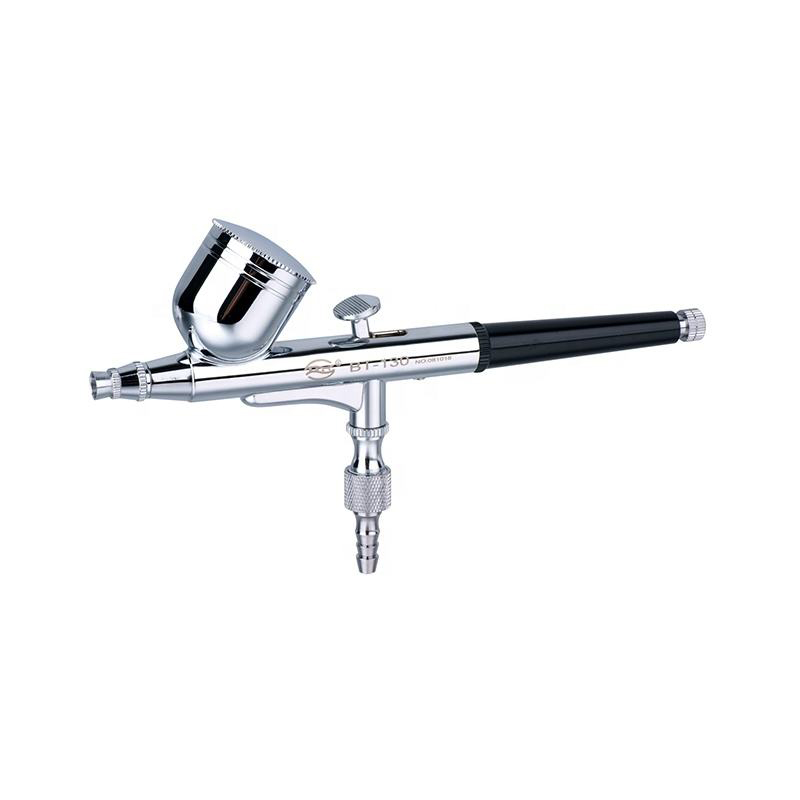
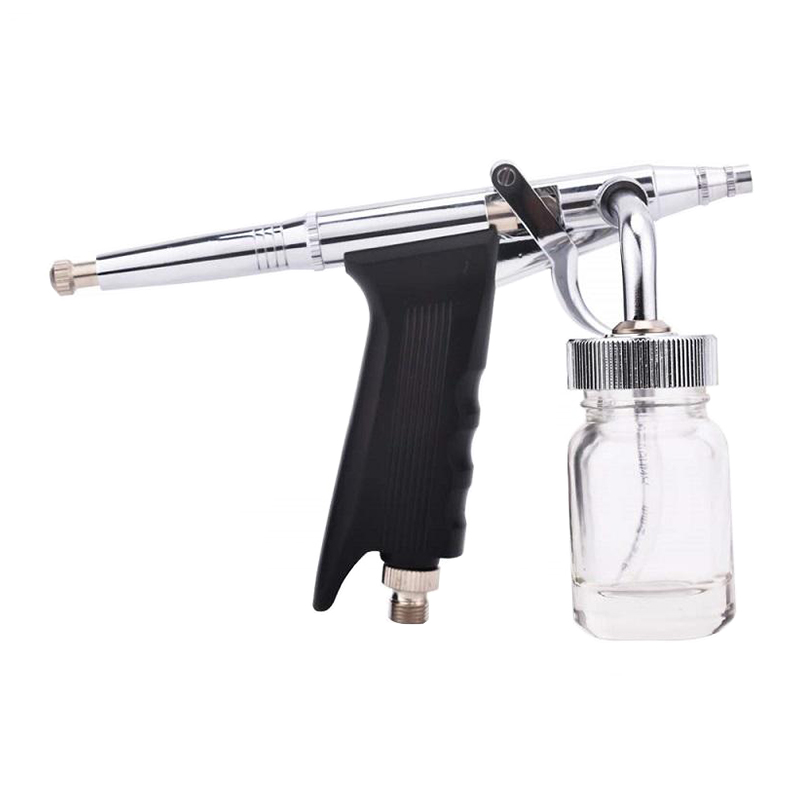
If you want clean, durable, professional-looking results when painting plastic models, an airbrush paired with proper surface preparation is the single most effective approach — outperforming rattle cans and brush painting in almost every measurable way. That said, brush painting remains a critical skill for detail work, and the two methods together form a complete system. This article breaks down every stage of the process with specific products, realistic timelines, and the kind of hard-won detail that saves you from ruined kits.
Surface Preparation: The Step Most Beginners Skip
Plastic model kits — whether injection-molded styrene, resin, or vinyl — all share one problem: the surface is not ready to accept paint straight from the box. Mold release agents, skin oils, and microscopic surface scratches from sprue removal all contribute to paint adhesion failures that show up days after you think you're done.
The standard wash is warm water with a few drops of dish soap, scrubbed with an old toothbrush, followed by a thorough rinse and full dry before any priming. For resin kits, this step is mandatory and should be done twice — resin mold release is far more stubborn than the residue on styrene.
Seam Removal and Filling
Once cleaned, address mold seam lines. Tools you'll actually use: a sharp hobby knife (Tamiya or X-Acto #11 blade), a sanding stick with 400-grit, and follow-up with 800-grit for smoothing. For gaps wider than a hairline, two-part epoxy putty like Milliput or Mr. Surfacer 500 applied with a damp finger works reliably. Let putty cure fully — at least 24 hours for two-part epoxy — before sanding.
Priming Is Not Optional
Primer does three jobs: it reveals surface flaws you missed, it provides a consistent color base so your topcoat reads true, and it creates a mechanical bond layer the paint grips. On bare plastic, even quality acrylics can peel or chip within weeks. A proper primer layer extends paint life dramatically. Grey primer (Mr. Surfacer 1000 or Vallejo Surface Primer) is the most versatile starting point — dark enough to reveal sanding scratches, light enough not to deaden bright topcoats.