 English
 русский
Oct 12,2026
Content
● Core essence: An airbrush that "atomizes" paint.
Imagine this: You're using a spray bottle to spray water, but the airbrush can spray paint particles even finer than mist, allowing for precise control like an "airbrush in the air."
● Working Principle: Three-Element Linkage
▸ Airflow Propulsion:
Compressor supplies air → High-speed airflow exits the nozzle
▸ Pigment Suction:
Airflow passes below the pigment cup → Sucks up and atomizes the pigment
▸ Manual Control:
Finger presses the button:
Pressing down: Controls the airflow switch
Pulling back: Controls the amount of pigment sprayed
● Key Advantages (Compared to Brushes/Spray Cans)
▸ Even Thin Coating:
Sprays an ultra-thin coating of 0.01mm, avoiding brush marks
▸ Unbeatable Gradients:
Color transitions are naturally smooth like smoke (e.g., model weathering and rust effects, facial blush)
▸ Material Saving and Precision:
Spray exactly where you want, no wasted paint (spray cans tend to spray erratically)
▸ Mastering Details:
Even hair-thin lines can be sprayed (requires practice)
● Common Types (Choose according to your needs)
| Type | Key Features | Ideal Users |
|---|---|---|
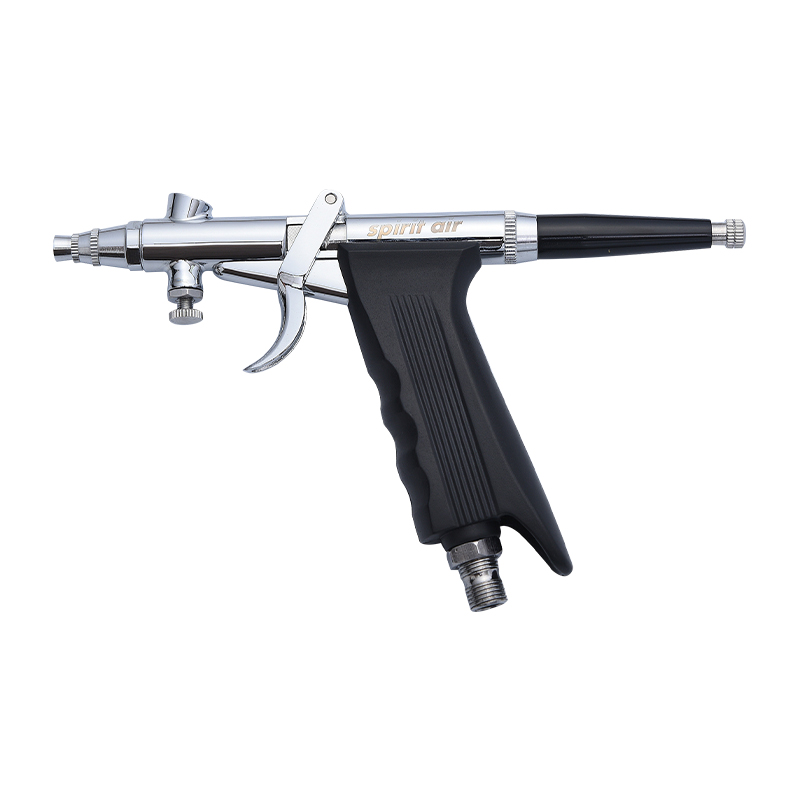
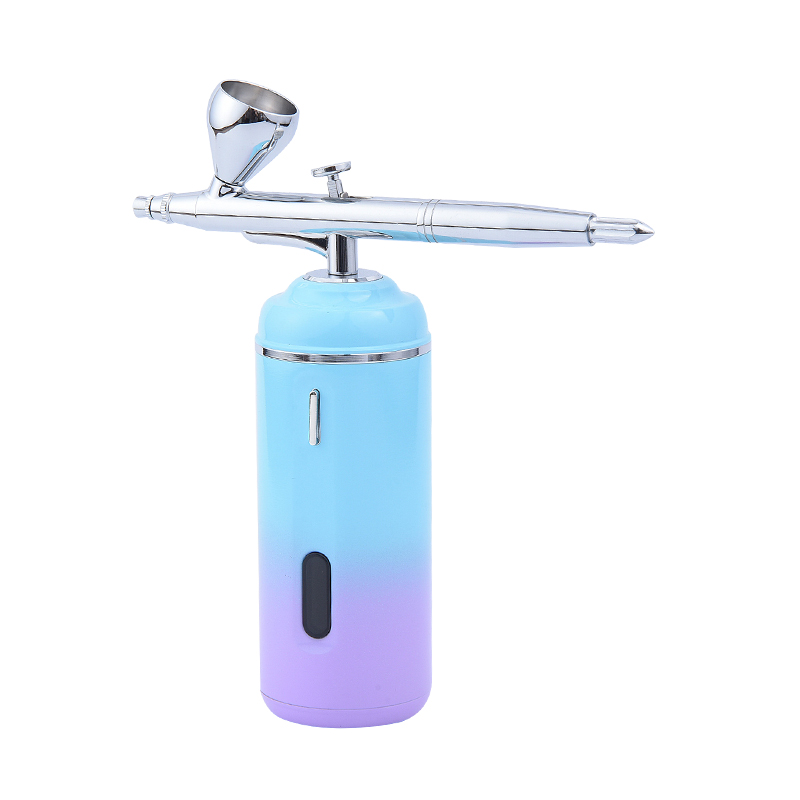
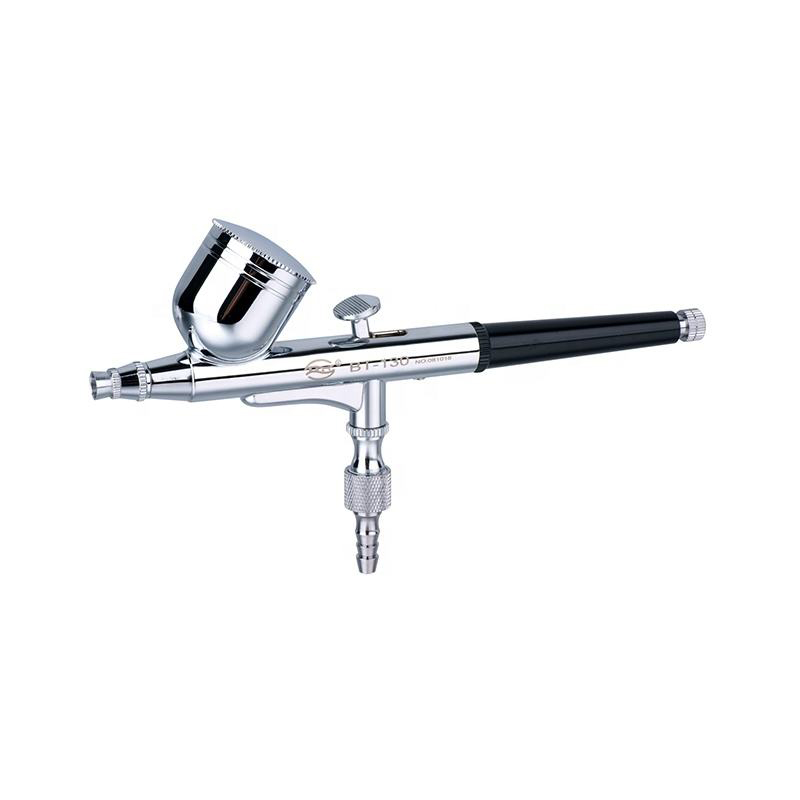
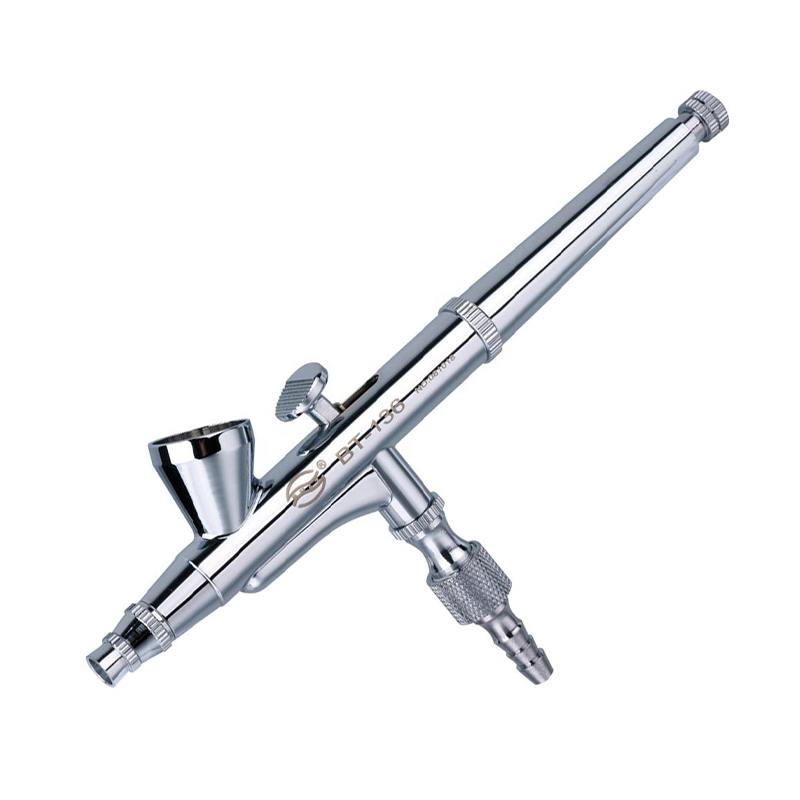
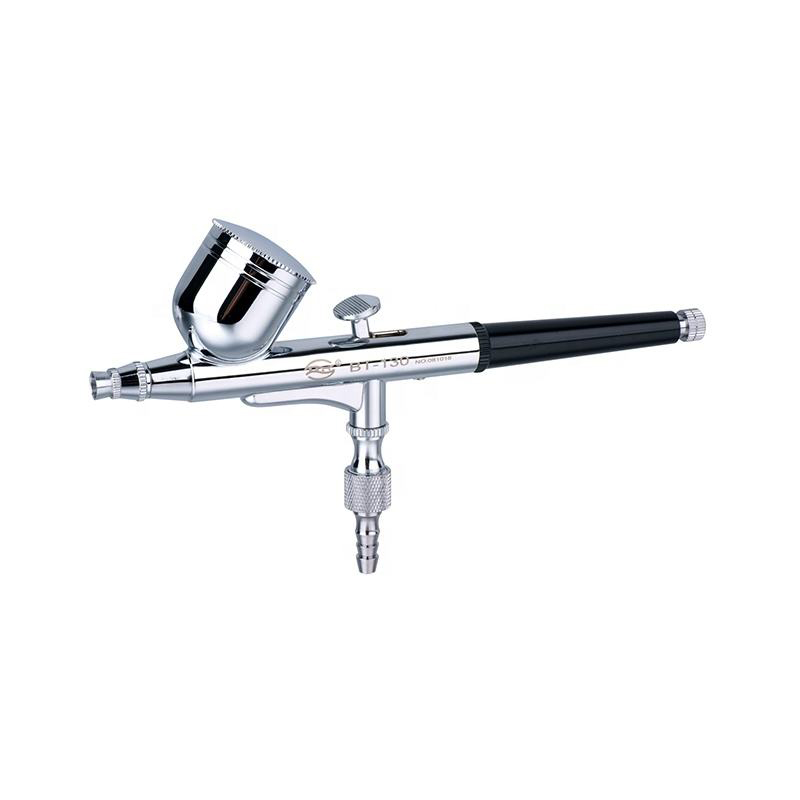
| Gravity-Feed | Paint cup sits on top | Model painters / Makeup artists (saves paint, cleans fast) |
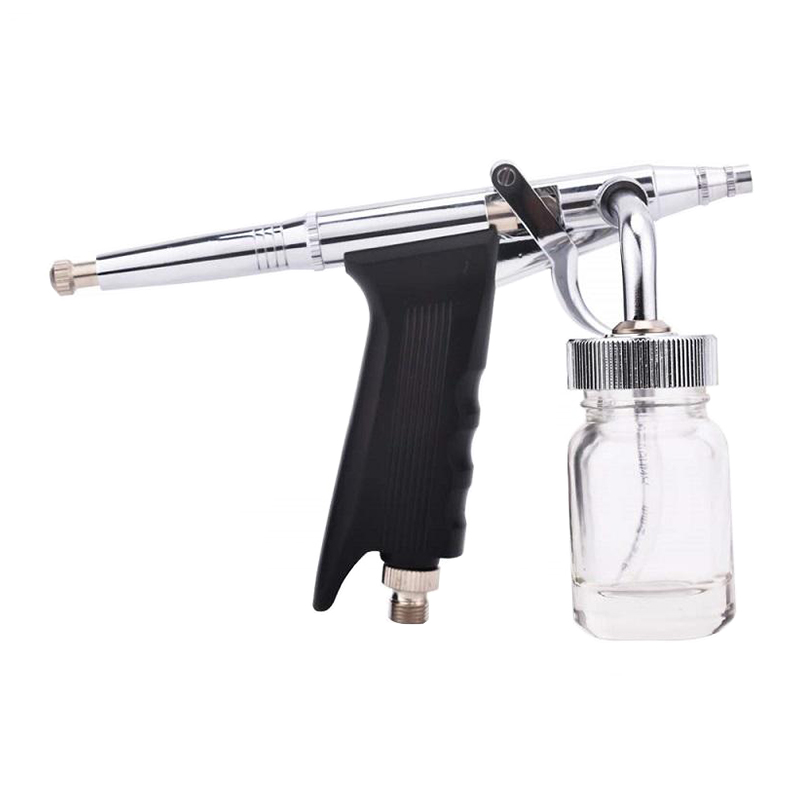
| Siphon-Feed | Paint bottle hangs underneath | Graffiti / Large coverage (bigger paint capacity) |
| Single-Action | Trigger controls air only (paint flow fixed) | Beginners (simpler but less control) |
| Dual-Action | Trigger controls air + paint flow separately | Experienced users (max detail control) |
● Essential Companion Tools
Compressor: Provides stable airflow (those with an air tank are more stable)
Paint Thinner: Adjusts concentration (like "making the paint thinner")
Cleaning Solution: Prevents paint from drying and clogging the nozzle (the airbrush's "shower gel")
● Common Pain Points (Avoid these pitfalls)
▸ Learning Curve:
Shaky hands may result in messy spraying initially (requires 1-2 hours of practice to get the feel)
▸ Clogging Issues:
Paint is too thick/not cleaned promptly → Can't spray, leading to frustration
▸ Equipment Dependence:
No compressor = useless, difficult to carry around Main Use Cases:
Model Painting: Warhammer mechs, detailed painting of military models
Beauty and Special Effects Makeup: Stage makeup, body painting, realistic wound effects
Art Creation: Illustration backgrounds, sneaker customization, T-shirt printing
Industrial Design: Car paint touch-ups (small areas), furniture textures