 English
 русский
Sep 21,2026
Content
- 1 The Short Answer: Yes, But It's Very Manageable
- 2 What Actually Causes the Mess When Using an Airbrush
- 3 How Airbrush Painting Compares to Other Methods
- 4 Setting Up Your Workspace to Minimize Mess
- 5 Paint Types and Their Impact on Mess
- 6 A Practical Airbrush Cleaning Routine That Keeps Things Tidy
- 7 Common Mistakes That Make Airbrush Work Messier Than It Needs to Be
- 8 Airbrush Mess by Application Type
- 9 Recommended Supplies for a Clean Airbrush Setup
- 10 Is Airbrush Painting Suitable for Indoor Home Use?
The Short Answer: Yes, But It's Very Manageable
Airbrush painting can be messy, but it's nowhere near as chaotic as most beginners expect. The mess mainly comes from three sources: overspray (fine paint particles that miss your target), paint spills during loading or cleaning, and pigment buildup inside the airbrush itself. With a proper spray booth, masking, and a consistent cleaning routine, most artists keep their workspace clean enough to work on a kitchen table. The level of mess you deal with directly depends on your setup, the paint type you use, and how disciplined you are about cleaning between sessions.
That said, ignoring any of these three factors can turn airbrush work into a genuinely frustrating mess. Paint that dries inside the needle cap, overspray settling on nearby objects, or solvent fumes building up in a small room — these are real problems that airbrush artists deal with regularly. The good news is that each one has a clear, practical solution.
What Actually Causes the Mess When Using an Airbrush
Understanding where the mess comes from helps you prevent it rather than just react to it. Most of the messiness people associate with airbrush painting falls into a few specific categories.
Overspray
Overspray is the fine mist of paint that doesn't land on your workpiece. It floats in the air and settles on everything nearby — your table, your hands, nearby objects, and sometimes your lungs if you're not wearing a mask. The amount of overspray depends on air pressure, paint viscosity, and nozzle size. Higher air pressure (above 30 PSI) dramatically increases overspray, which is why many detail painters work between 10–20 PSI. A larger nozzle (0.5mm or above) also produces more overspray than a fine 0.2mm tip.
Paint Handling and Loading
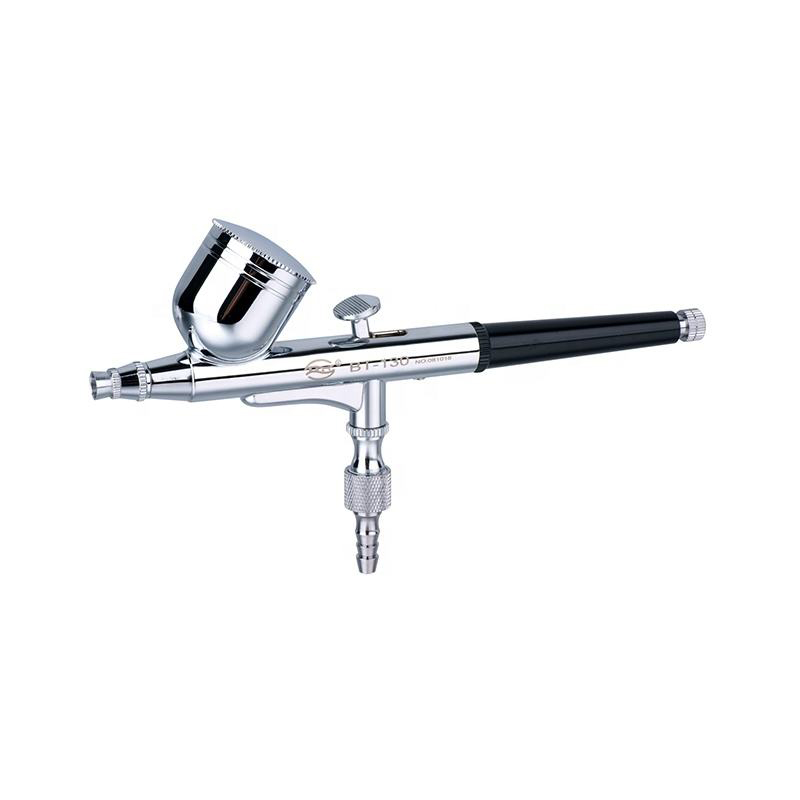
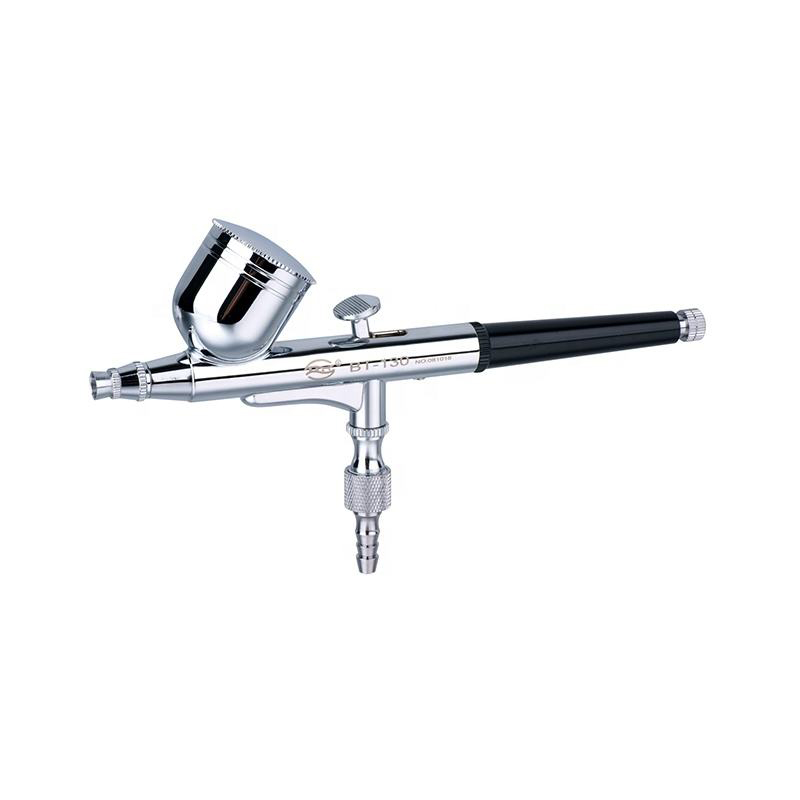
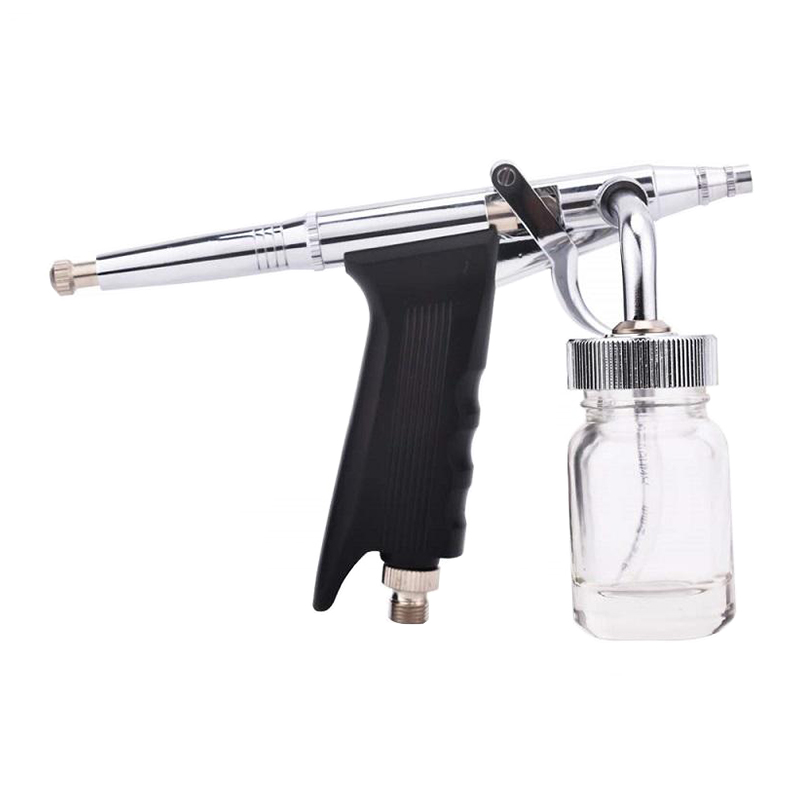
Filling the cup, mixing colors, and thinning paint are all opportunities for drips and spills. Gravity-feed airbrushes have an open cup on top, which makes them easy to accidentally knock over. Siphon-feed models use a bottle below, which is more stable but can leak at the connection point if the seal wears out. Even experienced artists occasionally knock over a paint cup — keeping paint quantities small (only loading what you need) reduces the damage when this happens.
Dried Paint Inside the Airbrush
Paint that dries inside the needle, nozzle, or air cap causes spatter and uneven spray. This is a particularly nasty problem with fast-drying paints like lacquers or solvent-based acrylics. Once dried paint accumulates, it can flake off mid-session and ruin your work. A clogged nozzle is the number one cause of unexpected paint blobs on finished artwork. Regular backflushing and full disassembly cleaning prevent this entirely.
Solvent Fumes and Residue
Cleaning an airbrush requires solvent — whether that's plain water (for water-based acrylics), isopropyl alcohol, or dedicated airbrush cleaner. These solvents evaporate and carry pigment residue with them. In a small workspace without ventilation, this creates both a health hazard and a fine pigment haze that settles on surfaces. Cleaning jars, flush cups, and spray-out cards all help contain this residue.
How Airbrush Painting Compares to Other Methods
It's worth putting airbrush mess into context. Compared to other painting methods, airbrush work sits somewhere in the middle of the messiness spectrum.
| Painting Method | Overspray Risk | Cleanup Time | Fume Risk | Workspace Requirements |
|---|---|---|---|---|
| Airbrush (water-based) | Medium | 5–15 minutes | Low | Spray booth recommended |
| Airbrush (solvent-based) | Medium–High | 10–20 minutes | High | Dedicated ventilated space |
| Spray can (rattle can) | Very High | Minimal (disposable) | High | Outdoor or large ventilated space |
| Brush painting (acrylic) | None | 2–5 minutes | Very Low | Any surface |
| Oil painting | None | 15–30 minutes | Medium | Any surface with drop cloth |
As the table shows, airbrush painting with water-based paints is actually quite manageable. The cleanup time is moderate, and fume risk is low. Where airbrush work becomes more demanding is when solvent-based paints enter the picture — lacquers, enamels, or petroleum-based thinners require real ventilation and more careful handling.
Setting Up Your Workspace to Minimize Mess
The single biggest factor in whether airbrush painting is messy or controlled is workspace setup. Artists who struggle with mess are almost always working without a few key pieces of infrastructure.
Spray Booths
A spray booth is the most effective single tool for keeping airbrush work clean. It draws overspray through a filter and out of your workspace, preventing paint mist from settling on everything around you. Entry-level spray booths from brands like Paasche or Vallejo start around $60–$100 and are compact enough to sit on a desk. They typically include a turntable and LED lighting as well, making them a functional all-in-one workstation. For hobbyists airbrushing scale models, miniatures, or small artwork, a desk spray booth is considered essential equipment — not a luxury.
DIY spray booths are also popular. A common setup uses a plastic storage box with a hole cut in the back, fitted with a PC fan and furnace filter. This costs under $20 to build and works surprisingly well for small items. The filter needs to be replaced every few months depending on how heavily you use it.
Masking and Surface Protection
Beyond the spray booth, protecting your work surface prevents paint from soaking into tables or desks. Silicone mats, disposable craft paper, and old newspapers all work well. Many airbrush artists also tape down a fresh sheet of parchment or butcher paper before each session — takes 30 seconds and makes cleanup effortless. For protecting areas of the workpiece you don't want painted, masking tape and liquid masking fluid are standard tools. Tamiya masking tape is particularly popular among model painters because it leaves no residue and conforms well to curves.
Airbrush Holders and Cleaning Stations
An airbrush holder keeps your tool upright when you're not actively spraying, preventing paint from running out of the cup onto your table. Cleaning stations — which are essentially jars with a grid top — let you flush your airbrush directly into a contained vessel rather than spraying solvent into a rag or open cup. A cleaning station with a lid costs around $10–$20 and eliminates one of the messier parts of the airbrushing process entirely.
Paint Types and Their Impact on Mess
Not all paints behave the same way through an airbrush, and the type you choose significantly affects how messy your sessions will be.
Water-Based Acrylics
Water-based acrylics are by far the cleanest option for airbrush work. Brands like Createx, Vallejo, and Liquitex are designed specifically for airbrush or thin easily with water or airbrush medium. Cleanup requires nothing more than water and maybe a small amount of isopropyl alcohol for stubborn residue. Most water-based acrylic sessions can be fully cleaned up in under 10 minutes. Dried acrylic on surfaces can usually be peeled or scrubbed off without chemicals, making it genuinely beginner-friendly. The downside is that acrylics dry very quickly in the airbrush if you pause, which means you need to keep the airbrush moving or flush it regularly during breaks.
Lacquers and Enamels
Lacquer-based paints like Mr. Color or Tamiya lacquers produce an incredibly smooth, durable finish prized by scale modelers and automotive artists. But they require dedicated solvents — lacquer thinner or Mr. Color Leveling Thinner — for both thinning and cleanup. These solvents are harsh, flammable, and produce significant fumes. Working with lacquers without proper ventilation is a genuine health risk, not just an inconvenience. Enamel paints (like Humbrol or AK Interactive) sit in a similar category — beautiful results, but requiring mineral spirits or dedicated enamel thinners that smell strongly and need careful disposal. For indoor home use, these paints demand a real ventilation solution, not just an open window.
Illustration and Textile Inks
Inks designed for airbrush illustration — like Liquitex Professional Acrylic Ink or Com-Art colors — are already pre-thinned to near-perfect consistency and clean up with water. They're extremely fluid, which means they can drip easily if overfilled in the cup. Textile inks used for fabric airbrushing (like Createx Wicked Colors) need heat-setting after application, adding a step to the process but creating a mess-free, permanent result once cured.
Makeup and Body Paint
Airbrush makeup and body paint are specifically formulated to be as clean and safe as possible — they're water-based, non-toxic, and rinse off skin easily. Professional makeup artists use airbrushes daily in salon environments precisely because the overspray dries quickly, doesn't stain hard surfaces, and cleans up with soap and water. If you're exploring airbrush work for cosmetic or body art applications, mess is genuinely minimal.
A Practical Airbrush Cleaning Routine That Keeps Things Tidy
Most of the ongoing mess with airbrush painting comes from inconsistent or incomplete cleaning. A reliable routine prevents buildup, reduces clogs, and keeps your sessions clean. Here's what experienced airbrush artists actually do:
Between Color Changes (Quick Flush)
- Empty remaining paint from the cup using a dropper or by tilting over a waste container.
- Add a few drops of cleaning solvent (water for acrylics, appropriate thinner for solvents).
- Spray into your cleaning station or a paper towel until the spray runs clear.
- Backflush by placing your finger over the nozzle and briefly triggering air — this forces solvent back through the internals.
- Repeat once more if changing to a significantly lighter color.
This entire process takes about 60–90 seconds and prevents cross-contamination between colors.
End of Session (Full Clean)
- Flush with solvent several times until completely clear.
- Remove the needle carefully — always pull from the back, never push from the front, to avoid bending the tip.
- Wipe the needle with a cloth dampened with solvent. Inspect the tip under good light for dried paint deposits.
- Remove the nozzle and soak briefly in airbrush cleaner if you used fast-drying paint.
- Wipe out the cup with a cotton swab or lint-free cloth.
- Reassemble, run one final flush of clean water or solvent, and store with the protective cap on the nozzle.
Weekly Deep Clean (If Using Regularly)
If you airbrush several times a week, a deeper clean once every 5–7 sessions is worth doing. Fully disassemble the airbrush, soak the needle, nozzle, and air cap in airbrush cleaning solution for 15–30 minutes, then use a fine brush or cotton swab to scrub away any residue. Check the needle tip under magnification for micro-bends, which cause spray pattern problems. Ultrasonic cleaners — available for around $30–$50 — make this process effortless and are popular among professional airbrush artists and automotive painters.
Common Mistakes That Make Airbrush Work Messier Than It Needs to Be
Most mess problems with airbrushing trace back to a handful of avoidable errors. If you're finding your sessions chaotic, check whether you're making any of these:
- Running pressure too high. Pressures above 30 PSI create excessive overspray. Most hobby and illustration work is done at 10–25 PSI. High pressure also causes paint to spatter unpredictably on close-range passes.
- Using paint that's too thick. Undiluted acrylic straight from the bottle will clog almost immediately. Proper thinning ratio for most acrylics is between 1:1 and 1:2 (paint:thinner). A good test: the paint should flow off a stir stick like skim milk, not like yogurt.
- Letting paint dry in the airbrush between sessions. Even a small amount of dried paint causes spatter and uneven patterns. Never store an airbrush with paint still inside it.
- Working without any overspray containment. Spraying openly on a desk, even with a drop cloth, allows fine mist to drift across the room. A spray booth or even a large cardboard box backdrop significantly reduces this.
- Overfilling the paint cup. Loading more paint than you need for the immediate task increases the chance of spills. A few drops at a time is better practice than filling the cup to capacity.
- Spraying too close to the surface. Getting the nozzle too close (under 1–2 inches for most applications) causes flooding and paint runs, both of which are messy and ruin the work.
Airbrush Mess by Application Type
The type of project you're doing also shapes how messy the experience will be. Different airbrush applications come with different mess profiles.
Scale Modeling and Miniature Painting
Scale modelers are probably the most active airbrush users in the hobby world. They typically work with small, contained pieces, which means the target area is small and overspray control is important. The good news is that the scale of the work keeps paint volumes very low — a single session might use less than a milliliter of paint total. Most scale modelers work in a dedicated spray booth and complete cleanup in 10 minutes or less. The mess is real but entirely contained when the right setup is in place.
Automotive and Industrial Airbrushing
Automotive airbrush work — panel graphics, custom motorbike tanks, helmet art — operates at a different scale entirely. The work surfaces are large, paint volumes are higher, and solvent-based paints are the norm. This category genuinely requires a dedicated spray booth with filtered extraction and often a full respirator, not just a dust mask. The mess is more significant, but these artists know that and set up accordingly. This is professional-grade application, not casual hobby work.
Fine Art and Illustration
Airbrush artists working on canvas, illustration board, or paper typically use water-based inks or acrylics. The mess is very manageable — comparable to regular brush painting but with the added factor of overspray. Working with stencils and masking is common in this field, which adds some prep time but keeps the final surface clean and precise. Many airbrush illustrators work at a standard desk without a spray booth, relying on low pressure (8–15 PSI) and careful technique to minimize overspray.
T-Shirt and Textile Work
Textile airbrushing — printing designs on shirts, hats, and fabric items — uses water-based textile paints that clean up easily. The fabric itself absorbs overspray, which actually reduces the amount that becomes airborne. T-shirt artists often work outdoors or in open garages precisely because the large fabric pieces they work on don't fit neatly in a desk spray booth, but the paint choice keeps the health and cleanup concerns low.
Nail Art and Makeup
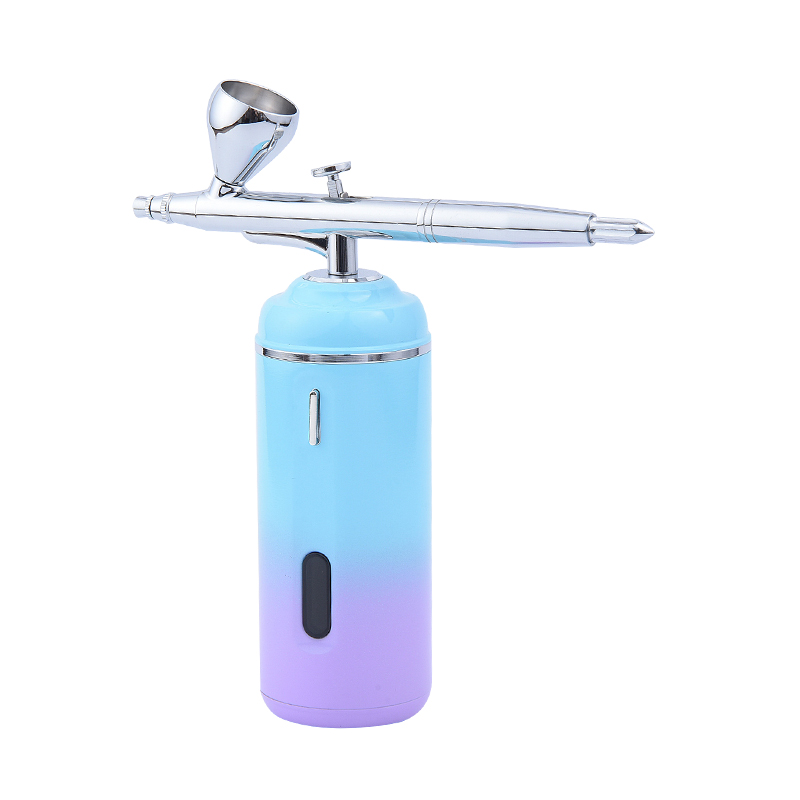
Mini airbrushes for nail art and makeup application are the cleanest category of all. The paints or foundations used are water-based and non-staining. Volumes are tiny — a single nail art session might use a fraction of a milliliter of paint. Cleanup is quick, and the overspray from a micro-nozzle at low pressure is negligible. If you're considering airbrush painting for beauty or body art, mess is a non-issue with basic precautions.
Recommended Supplies for a Clean Airbrush Setup
If you want to keep airbrush work genuinely clean from day one, here's what you actually need. None of this is expensive, and together it makes the difference between a messy experience and a controlled one.
| Item | Purpose | Approximate Cost | Priority |
|---|---|---|---|
| Desk spray booth | Captures overspray, contains fumes | $60–$120 | Essential |
| Airbrush cleaning station | Flush cleaning solvent safely | $10–$20 | Essential |
| Silicone work mat or craft paper | Protects work surface | $5–$15 | Essential |
| Airbrush holder/stand | Prevents spills when setting down | $5–$15 | Recommended |
| Dedicated airbrush cleaner | Dissolves dried acrylic efficiently | $8–$15 | Recommended |
| Respirator mask (N95 or above) | Protects lungs from paint mist | $15–$40 | Essential for any extended use |
| Lint-free cloths or microfiber rags | Wiping needle and cup without lint | $5–$10 | Recommended |
| Cotton swabs | Cleaning inside cup and tight spots | $2–$5 | Recommended |
Is Airbrush Painting Suitable for Indoor Home Use?
This is one of the most common questions beginners ask, and the answer depends almost entirely on paint choice. Water-based acrylics make airbrush painting completely viable indoors — in a bedroom, home office, or kitchen — provided you have a spray booth and keep the workspace tidy. Millions of scale modelers, miniature painters, and illustrators work indoors with water-based paints without any significant mess or health concerns.
Solvent-based paints are a different matter. Lacquers and enamels release volatile organic compounds (VOCs) that require genuine ventilation — not just cracking a window. Working with these indoors in a small room without extraction puts you at real risk of headaches, dizziness, and long-term respiratory issues. If your project requires lacquer or enamel, either set up a proper extraction system or move the work outside or to a garage.
Another factor is noise. A compressor running continuously can be disruptive in a shared living space. Quiet, tankless compressors (like the Iwata Silver Jet) produce around 40–45 dB — quieter than a normal conversation — while larger tank compressors might hit 60–70 dB. If noise is a concern, a quiet compressor is worth the investment.
In summary: indoor airbrush painting with water-based paints and a spray booth is low-mess, low-risk, and entirely practical. The mess reputation of airbrushing largely comes from users who skip the basic containment steps or use solvent-heavy paints without proper ventilation.